

Picture yourself at the helm of your entrepreneurial journey, but there’s a challenge: a less-than-perfect credit history acting as an anchor, threatening to hold you back. This guide is your compass in navigating the tricky waters of business financing, inspired by the resilience and strategy embodied by Michael Neal, a former NFL Super Bowl champion turned business strategist.
Your credit score, much like a sea chart, guides lenders in their decision to finance your venture. A score below 580 might appear as stormy weather on your financial horizon, but it’s not an insurmountable obstacle. Just like any intrepid explorer, your journey is about overcoming these challenges.
We’ll explore what lenders scrutinize – from your payment history, akin to a captain’s log, to the diversity of your credit portfolio. We introduce solutions like guaranteed business loans for startups with bad credit, which, like lighthouses, guide entrepreneurs through murky financial waters.
Time is a precious commodity in business, and our guide includes quick-sail options like instant approval loans. We also chart the course through government-backed programs and delve into the specifics of start-up financing for those with challenging credit histories.
Preparing for this voyage involves understanding your credit score, devising a robust business plan, and exploring alternative funding like peer-to-peer lending and crowdfunding. These are the navigational tools that will guide you through the ebbs and flows of securing financing.
This guide is not just about financial strategies; it’s a narrative of resilience and determination. With ROK Financial by your side, embark on this journey to turn your business dreams into reality, irrespective of the credit challenges in your wake.
Understanding Bad Credit
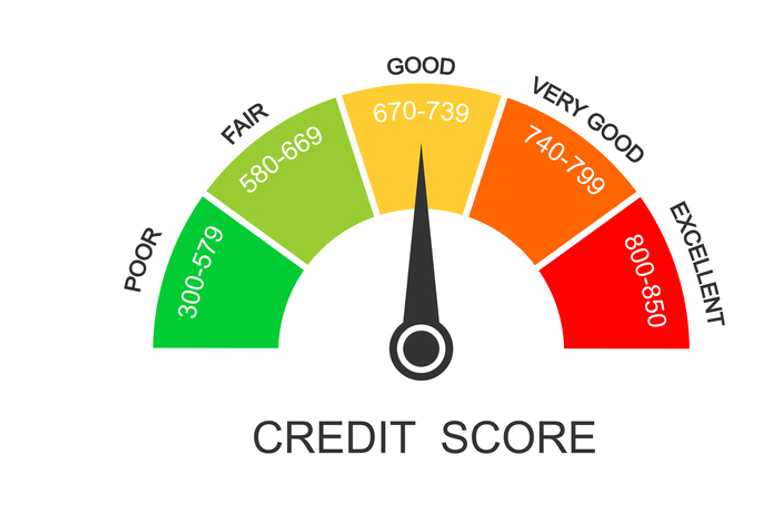
Before we dive into the specifics of business loans, it’s important to clarify what exactly bad credit is. Essentially, your credit score is a number that represents how reliable you are with money. Lenders use this score to decide how risky it would be to lend you money. Generally, a score that’s below 580 is considered to be in the bad credit range.
Bad credit can develop for several reasons. It might be due to missing payments on bills or loans, carrying high balances on your credit cards, or going through severe financial issues like bankruptcy. Think of it as a stain on your financial history – it signals to lenders that there have been past difficulties in managing credit.
However, having bad credit isn’t the end of the road for your business aspirations. While it can make getting traditional loans more difficult, it doesn’t mean there are no options left. There are still ways to secure financing and move forward with your entrepreneurial goals.
What Lenders Look For
When applying for a small business loan, it’s important to understand that lenders will closely examine your credit score to determine how risky it is to lend you money. Here’s a breakdown of what they’re looking for:

- Payment History: This is a crucial part of your credit score. Lenders look for a history of timely payments on your debts, including credit cards, loans, and mortgages. Missing payments or having accounts in default can really hurt your credit score.
- Credit Utilization Ratio: This is about how much credit you’re using compared to what you have available. For instance, if you have high balances on your credit cards compared to your credit limits, this can lower your credit score. Lenders like to see a utilization ratio below 30%.
- Length of Credit History: Lenders prefer lending to those who have a long history of managing credit responsibly. If you’re new to using credit, you might find it harder to get a loan.
- Credit Mix: The variety of credit accounts you have (like credit cards, car loans, or a mortgage) also plays a role. A mix of different types of credit can boost your score, showing lenders you can handle various kinds of debt responsibly.
- New Credit Inquiries: Every time you apply for credit, it shows up on your credit report. If you have a lot of new inquiries in a short time, lenders might think you’re in financial trouble or taking on too much debt, which can be a red flag.
- Public Records and Derogatory Marks: Serious financial issues like bankruptcies, tax liens, or debt collections are big warning signs for lenders. These can significantly impact your credit score and make lenders cautious about giving you a loan.
Startup Business Loans for Bad Credit Guaranteed
Starting a new business venture can be daunting, especially if your credit history isn’t pristine. Fortunately, there are lenders who specialize in offering guaranteed startup business loans for those with bad credit. These loans are designed to provide a lifeline to budding entrepreneurs who may not have a solid credit history to lean on.
Guaranteed startup business loans often have relaxed credit score requirements and may not rely heavily on your personal credit history. Instead, lenders may consider other factors such as your business plan, revenue projections, and industry expertise. These loans can be a great option for getting your business off the ground.
Instant Approval Business Loans for Bad Credit
In the dynamic business environment, quick access to funds can be crucial. This is where instant approval business loans come into play. These loans are structured to give you a quick decision, usually within a few hours or days, making them ideal for when you need financial support in a hurry.
While it’s often easier for those with good credit to obtain instant approval loans, there are options available for individuals with bad credit too. However, it’s important to be aware that the convenience of quick approval might come with certain trade-offs. These could include higher interest rates or more stringent repayment conditions compared to standard loans.
Before you decide to go for an instant approval loan, it’s vital to consider both the benefits and the potential downsides. Assessing these factors carefully can help you make an informed decision that aligns with your business needs and financial situation.
Government Loans for Business Startups with Bad Credit
For entrepreneurs facing credit challenges, government-backed loans present a practical solution. These loans, often accessible through programs like the Small Business Administration (SBA), are tailored to assist small businesses in getting off the ground.
It’s important to understand that the government itself doesn’t provide the loan funds directly to business owners. Instead, they offer a guarantee on a portion of the loan. This guarantee reduces the risk for the lender, which in turn can make it easier for someone with a less-than-perfect credit score to get their loan application approved.
One of the key benefits of SBA loans and similar government-backed options is their relatively flexible credit requirements. They are generally more accommodating than traditional loans, making them an accessible option for those who might struggle to secure financing due to their credit history. For anyone looking to start a business with bad credit, exploring these government loan options can be a smart move.
Startup Business Loans for Entrepreneurs with Bad Credit
Securing the necessary capital to start a business can be a significant hurdle, especially when your credit history is not ideal. The good news is that there are lenders out there who focus on helping startup entrepreneurs, even those with bad credit.
These specialized loans look beyond just your credit score. Lenders in this niche often evaluate the potential of your business idea and your dedication to making it successful. This approach provides an opportunity for entrepreneurs who have a solid business plan but may not meet the traditional credit requirements.
It’s important to note that these types of loans might come with higher interest rates due to the perceived increased risk. Despite this, they can be a viable option for acquiring the capital you need to bring your business vision to life. For entrepreneurs with less-than-perfect credit, these loans can be a crucial stepping stone in realizing their business aspirations.
Securing a Business Loan with Bad Credit
Navigating the process of obtaining a business loan with bad credit can be challenging, but it’s certainly achievable. Here are practical steps to increase your chances of securing the financing you need:
- Know Your Credit Score: Start by understanding your credit position. Obtain a free credit report annually from major credit bureaus and review it for any inaccuracies that might be impacting your score.
- Work on Improving Your Credit: Improving your credit score is a long-term strategy. This involves paying bills punctually, lowering your existing debt, and rectifying any mistakes on your credit report. These steps can gradually improve your credit score, leading to potentially better loan terms in the future.
- Research Suitable Lenders: Look for lenders who cater to borrowers with bad credit. Each lender has different criteria and offerings, so find one that aligns with your needs and situation. Opt for reputable lenders who are transparent about their loan terms and fees.
- Prepare a Comprehensive Business Plan: A well-crafted business plan can make a significant difference. It should detail your business objectives, expected earnings, and how you plan to utilize the loan. A solid plan can boost a lender’s confidence in your venture, despite a less-than-perfect credit score.
- Consider Using Collateral: Some lenders may require collateral for a loan, particularly if your credit is poor. This could be anything valuable that you own, like real estate, equipment, or inventory.
- Think About a Co-Signer: A co-signer with a good credit history can strengthen your loan application. They agree to take on the responsibility of the loan if you’re unable to pay.
- Be Prepared for Higher Costs: Understand that loans for individuals with bad credit typically come with higher interest rates and fees. Ensure that you can manage the repayments and incorporate these extra costs into your financial planning.
- Apply for the Loan: After your research and preparation, it’s time to apply. Complete the application thoroughly and provide all the necessary documentation to streamline the process.
- Engage in Communication and Negotiation: If a lender has reservations due to your credit history, open a dialogue. Explain your situation and provide any additional information that could support your application. Many lenders are open to negotiating terms that can benefit both parties.
- Look into Alternative Funding: If you’re finding it difficult to obtain a traditional business loan, consider other funding options. There are various alternatives which might suit your circumstances better.

Exploring Alternative Funding Sources for Bad Credit
Business loans are not the sole avenue for financing, particularly if you’re dealing with bad credit. There are several alternative options available that can suit your needs:
- Peer-to-Peer Lending: This innovative platform allows you to borrow directly from individual investors rather than traditional financial institutions. Peer-to-peer lending sites generally offer more flexible criteria than banks, making them a viable option for those with less-than-stellar credit.
- Crowdfunding: Platforms like Kickstarter and Indiegogo enable you to gather funds from a wide audience interested in supporting your business idea. This method not only provides financial backing but can also help in validating and marketing your business concept.
- Microloans: These are smaller loans typically offered by non-profit organizations and community-based lenders aimed at helping small businesses or startups. Microloans are particularly beneficial for businesses with bad credit or those just starting out.
- Invoice Financing: If your business operates on invoicing, this option allows you to receive an advance on the amounts due. Lenders will give you a percentage of the outstanding invoice amount upfront, which can be particularly useful for improving cash flow.
- Merchant Cash Advances: This is a quick way to access capital by receiving a lump sum in exchange for a portion of your future credit card sales. Although this can be a convenient option, it’s important to be mindful of the potentially high costs associated with it.

Conclusion: Your Path to Business Financing, Tailored for Your Needs
Are you ready to take the next step in securing a small business loan, even with bad credit? Remember, your credit history doesn’t define your entrepreneurial potential. It’s about understanding your credit, exploring various financing options, and presenting a solid case to lenders. Whether it’s through traditional loans or alternative funding sources, there’s a solution that fits your unique business needs.
If you feel confident and prepared, seize the opportunity now. Begin your loan application process with ROK Financial and embark on the journey to bring your business dreams to life. This is your chance to step forward and turn your aspirations into achievements.
However, if there’s any hesitation, or if you’re unsure how your credit might affect your chances, don’t let these doubts hold you back. Assistance is readily available. Schedule a free consultation with 1st and 10 Consulting for personalized guidance and support. Our team is here to help you navigate through your options, offering insights and advice tailored to your specific situation. Whether you need help with your application, strategies to improve your credit, or just a clearer understanding of your financial options, we’re here to assist.
So, whether you’re set to apply for a loan or need a helping hand to guide you through the process, we’ve got you covered. Choose the path that suits you best:
- Feeling Prepared? Apply now through ROK Financial.
- Need Guidance? Schedule your free consultation with 1st and 10 Consulting.
Take this pivotal step towards your business success today. We’re here to support you every step of the way.